
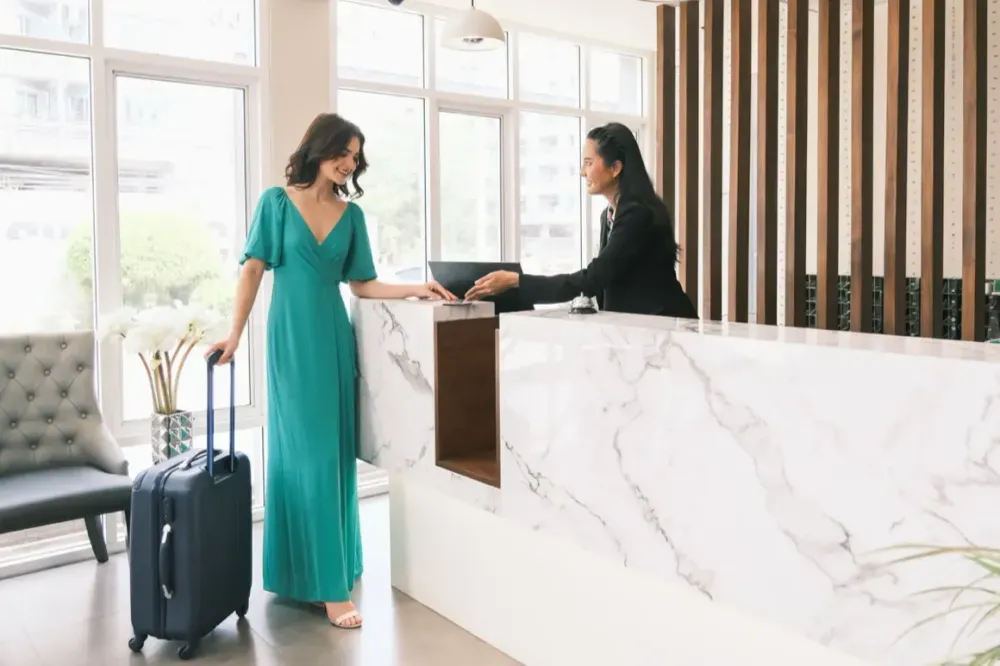
A hotel door can look solid and still leave you feeling unsure. That uneasy moment when you step into a room, scan the lock, and wonder who else has access is exactly why Hotel Safety Tips matter for Americans traveling across the country. A weekend conference in Chicago, a family trip to Orlando, a road stop outside Dallas, or a solo stay in Seattle can all feel routine until one careless detail turns into stress. Safety is not about expecting danger around every corner. It is about keeping control of your space, your information, and your movement while still enjoying the trip. Smart travelers also pay attention to trusted planning sources, local business details, and travel updates through resources like reliable online travel visibility before they book or check in. The safest hotel stay rarely comes from fear. It comes from small choices made early, repeated calmly, and treated as part of normal travel rhythm.
Hotel Safety Tips That Start Before You Book
A safer stay begins long before you collect a key card. Many travelers think danger starts at the room door, but the first risk often starts on the booking screen. A low nightly rate can hide a bad location, weak reviews, poor lighting, or a property that treats security as decoration rather than daily practice.
Safe Hotel Booking for Location Awareness
Safe hotel booking starts with the neighborhood, not the lobby photo. A hotel can have polished bedding, bright pictures, and a tempting price while sitting in an area that feels uncomfortable after dark. For American travelers moving through unfamiliar cities, location matters as much as the room itself.
Study the map before you pay. Look at nearby transit stops, parking areas, restaurants, hospitals, and main roads. A hotel tucked behind vacant lots or isolated service roads may create problems even if the building itself looks fine. Convenience should never be judged only by distance from an airport or event venue.
Safe hotel booking also means reading reviews with a sharp eye. Do not only scan star ratings. Look for repeated comments about parking safety, hallway noise, broken exterior doors, front desk response, and guests wandering through restricted spaces. One odd complaint may mean little. A pattern tells you the truth.
Reading Reviews Like a Traveler, Not a Tourist
Reviews become useful when you read them like field notes. A tourist looks for pool photos and breakfast comments. A traveler looks for details that reveal how the property behaves when things go wrong. That difference can save you a messy night.
Search for words such as “parking,” “door,” “key card,” “front desk,” “security,” “elevator,” and “noise.” These details often appear in honest reviews because guests mention them after a problem, not as part of a polished sales pitch. The strongest warning signs are not dramatic. They are dull, repeated, and easy to miss.
A safe hotel booking choice should also match your trip type. A family arriving late needs easy parking and quick lobby access. A solo business traveler may care more about elevator controls and interior corridors. A road trip stop should not force you to drag bags across a dark lot at midnight.
Build a Travel Security Checklist Before Arrival
Once you book the hotel, your next job is preparation. A travel security checklist keeps you from relying on memory when you are tired, hungry, or rushing from one place to another. The point is not to pack like a survivalist. The point is to remove easy mistakes.
What Should Be on a Travel Security Checklist?
A travel security checklist should include documents, devices, arrival timing, transportation plans, and room setup habits. These items sound basic until you forget one of them in a crowded lobby or leave your phone unlocked on a breakfast table. Travel creates distraction, and distraction is where small problems grow teeth.
Keep a photo of your ID stored securely, but do not leave sensitive documents loose in your phone gallery. Use a password manager, turn on phone tracking, and save the hotel address offline. If you lose signal, battery, or your wallet, those small backups can keep the night from falling apart.
Your travel security checklist should also include a plan for arrival. Late check-ins are common across the USA, especially after delayed flights or long highway drives. Call ahead if you will arrive after dark, confirm parking options, and ask whether the front desk stays staffed through the night.
Packing Small Tools That Reduce Big Problems
Good safety gear is boring. That is exactly why it works. A small flashlight, portable charger, luggage tag with limited personal information, and a simple door wedge can give you more control without adding weight or drama to your bag.
Avoid putting your full home address on visible luggage tags. Use your phone number and email instead. When bags sit near a hotel desk or shuttle area, you do not want strangers learning where you live while you are away. Privacy is part of safety, not a separate concern.
A travel security checklist should also include digital habits. Turn off auto-join Wi-Fi, avoid hotel network banking unless you use a trusted private connection, and keep work devices locked. Hotel lobbies are public spaces wearing soft lighting. Treat them that way.
Protect Hotel Room Safety After Check-In
The room is where most travelers finally relax, and that is when attention drops. Hotel room safety works best when you build a short routine for the first five minutes. You do not need to act paranoid. You need to act like someone who knows that comfort should be earned before it is assumed.
Hotel Room Safety Checks You Should Do First
Hotel room safety begins before you unpack. Open the door, keep your bag with you, and check the bathroom, closet, connecting door, balcony, curtains, and behind large furniture if the room layout makes you uneasy. Most of the time, everything will be fine. The check still matters because it resets control.
Test the door lock, deadbolt, latch, peephole, and any secondary lock. If something does not work, call the front desk immediately and ask for another room. Do not accept a broken lock because you are tired. Fatigue talks people into bad compromises.
Check the phone, emergency exit map, and hallway direction. Know where the stairs are before you need them. Elevators can fail during power issues, fire alarms, or crowd movement. A calm look at the exit route takes less than a minute and can matter more than anything in your suitcase.
Keeping Your Room Private Without Acting Rude
Privacy protects you from more than theft. It protects your schedule, your belongings, and your sense of control. A hotel room is temporary, but it should still feel like your space while you are paying for it.
Do not say your room number out loud in the lobby, elevator, or restaurant. If the front desk announces it, ask quietly for a different room assignment or request that they write it down next time. A good hotel should understand that room numbers deserve discretion.
Hotel room safety also means managing housekeeping access. Use the deadbolt when inside, place the privacy sign on the door when needed, and call the desk to verify unexpected knocks. Real staff will not be offended by a quick confirmation. Anyone offended by your caution has already given you a reason to be cautious.
Practice Solo Traveler Safety in Shared Spaces
Hotels are shared buildings, even when they feel private. The lobby, gym, elevator, parking garage, breakfast area, and hallway all place you near people whose plans you do not know. Solo traveler safety is not about suspicion. It is about moving through shared space without giving away too much.
Solo Traveler Safety in Elevators and Hallways
Solo traveler safety starts with body language. Walk like you know where you are going, even if you need to pause later and check directions. People looking for an easy target often notice hesitation, distraction, and overloaded hands before they notice anything else.
In elevators, stand near the buttons and avoid turning your back fully to strangers. If someone makes you uncomfortable, step out on a public floor and return later. You do not owe anyone an explanation for protecting your own comfort.
Hallways deserve the same attention. Have your key card ready before you reach the door, avoid digging through your bag outside the room, and do not let strangers follow you through locked entrances. Holding the door feels polite, but safety sometimes requires choosing awkwardness over regret.
Safer Parking, Rideshares, and Late Returns
Parking areas create some of the most common hotel stress points because they combine darkness, luggage, phones, and unfamiliar surroundings. Choose well-lit spaces near entrances when possible. If the garage feels poorly watched, ask the front desk about safer parking options before you settle in for the night.
Rideshares need the same care. Confirm the plate, driver name, and vehicle before entering. Avoid telling drivers your room number, travel schedule, or whether you are alone. Friendly conversation can stay friendly without becoming personal inventory.
Solo traveler safety also means planning late returns before you leave the hotel. Know which entrance remains open, whether key card access is required, and whether staff will be present. A fun night out should not end with you standing outside a side door wondering why it will not unlock.
Frequently Asked Questions
What are the best hotel safety tips for families traveling in the USA?
Choose hotels with interior corridors, strong recent reviews, well-lit parking, and staffed front desks. Teach kids not to share room numbers, open doors, or wander alone. Keep one adult in charge of keys, exits, and nighttime room checks.
How can I improve hotel room safety after checking in?
Inspect the room before unpacking, test every lock, check connecting doors, and learn the nearest stair exit. Use the deadbolt when inside and verify unexpected knocks through the front desk before opening the door.
What should be included in a travel security checklist?
Include ID backups, phone tracking, charger, hotel address, arrival plan, parking details, emergency contacts, and basic room safety steps. The best checklist is short enough to follow when you are tired or rushing.
Is safe hotel booking more important than room price?
Price matters, but location, reviews, lighting, parking, and staff response matter more. A cheap hotel in the wrong setting can cost you sleep, time, and peace. A slightly higher rate can be worth it.
What solo traveler safety habits matter most in hotels?
Keep your room number private, stay alert in elevators, have your key ready, avoid isolated entrances, and trust discomfort early. Solo travelers do not need to act fearful; they need to move with awareness.
How do I know if a hotel neighborhood is safe enough?
Check maps, recent guest reviews, nearby businesses, lighting, transit access, and late-night arrival conditions. A place can look fine in daytime photos but feel different after dark, especially near empty lots or isolated roads.
Should I use the hotel safe for valuables?
Use the safe for passports, spare cards, and small valuables when it works properly, but do not treat it as perfect protection. Keep high-value items limited, photographed, insured when needed, and out of sight.
What should I do if my hotel room lock is broken?
Contact the front desk right away and request a different room. Do not accept a broken lock, weak latch, or damaged connecting door. A hotel that takes safety seriously will move you without argument.