
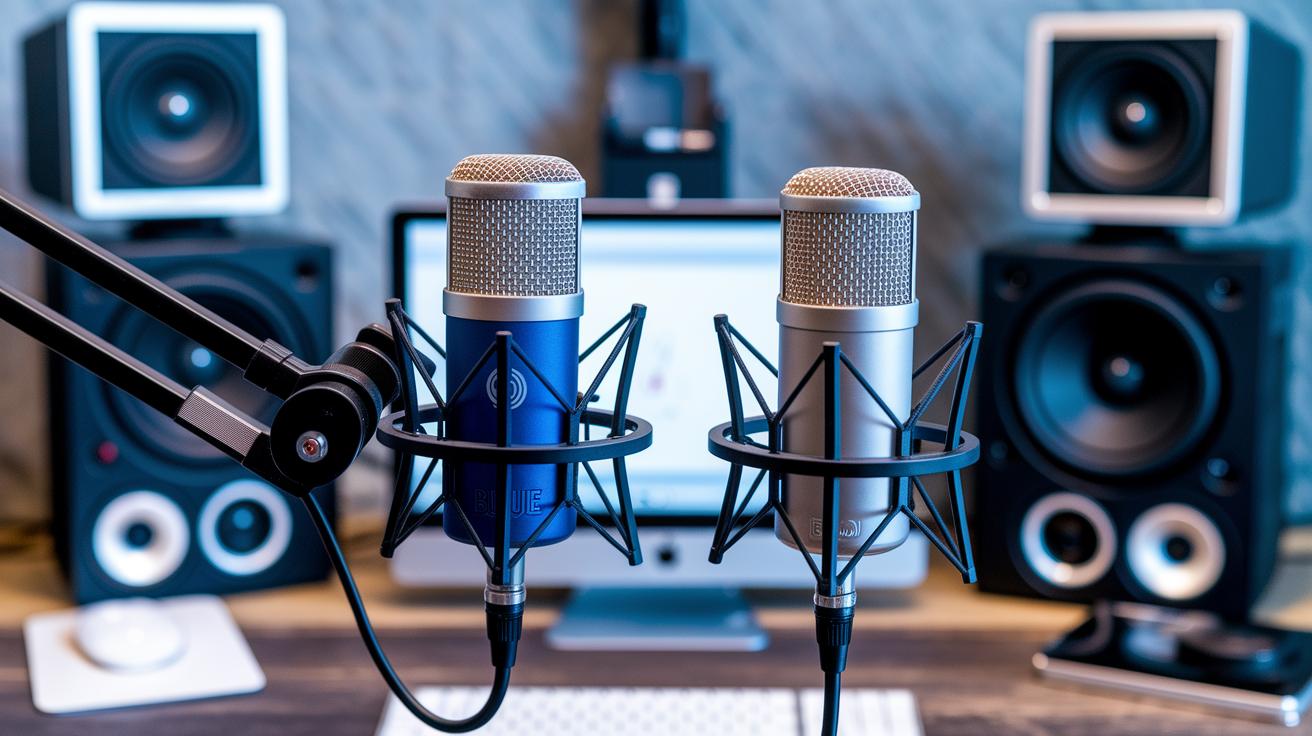
A close game does not end when the clock hits zero. For many fans across the USA, the better part begins afterward, when the noise settles and someone sharp explains what your eyes felt but could not fully name. A strong Sports Podcast Guide helps you turn scattered reactions into clearer game insights, especially when every league, team, and fan base seems to have its own loud corner of the internet.
The challenge is not finding a show. The challenge is knowing which voices deserve your time. Some podcasts teach you how a quarterback manipulated coverage, why a bullpen move made sense, or how a defensive switch changed an NBA series. Others fill an hour with hot air and call it passion. For readers who care about smarter media habits, platforms that support wider sports and lifestyle conversations, including independent media coverage, can also help fans think beyond the box score.
Great listening gives you more than opinions. It gives you a better seat inside the game.
Sports Podcast Guide for Choosing Shows That Respect Your Time
The first mistake many fans make is treating every sports show like equal background noise. That works if you only want company during a commute, but it fails if you want sports commentary that makes the next game easier to understand. A good show has a point of view, a rhythm, and enough discipline to avoid turning every episode into a shouting contest.
Finding Hosts Who Explain More Than They Perform
Strong hosts do not need to sound angry to sound informed. In American sports media, volume often gets mistaken for conviction, especially around NFL Mondays, NBA playoff debates, and college football rankings. A host who slows down after a wild finish and explains why a coach trusted a matchup has more value than one who spends ten minutes yelling about “heart.”
The best podcast episodes usually reveal how the host watches games. You can hear it in the details. They mention spacing on the weak side, a catcher setting up low and away, a winger dragging a defender out of position, or a defensive coordinator refusing to blitz on third down. That level of attention tells you the show is built from observation rather than recycled takes.
You should also listen for restraint. A host who admits when a play was hard to judge in real time often earns more trust than someone who declares every decision obvious. Sports are messy. The good analysts know that, and they make room for it without sounding unsure.
Separating Real Analysis From Fan-Service Noise
Fan-service content feels fun for a while because it tells you what you already want to hear. Your team got robbed. Your coach is clueless. Your rival is overrated. That kind of sports commentary can feel satisfying after a rough loss, but it rarely makes you a sharper fan.
Real team analysis carries tension. It can praise your favorite player and still point out the missed rotation. It can defend a coach’s decision while admitting the outcome looked ugly. It does not flatter the listener. That is why it lasts longer than instant reaction.
A useful test is simple: after listening, can you explain one part of the game better than before? If the answer is yes, the show gave you something. If all you remember is a host’s outrage, you probably heard performance dressed up as insight.
Building a Listening Routine Around Game Insights
Once you find better shows, timing matters. Listening at the wrong moment can turn good content into clutter, especially during busy sports seasons when the NFL, NBA, NHL, MLB, MLS, college football, and college basketball all compete for attention. The goal is not to hear everything. The goal is to hear the right thing at the right time.
Using Recap Episodes Without Getting Buried
Postgame podcast episodes can be useful, but they can also trap you in reaction mode. Right after a game, emotions are high and everyone wants a verdict. In the USA, this gets louder around playoff races, rivalry weekends, and fantasy sports deadlines, when every possession starts to feel like a referendum.
A smart routine starts with one fast recap, not five. Choose a show that gives you the key injuries, turning points, coaching choices, and statistical oddities without dragging you into endless outrage. Save longer breakdowns for the next day, when better information has settled and the host has had time to review more than a few highlights.
This rhythm protects your attention. You stay informed without letting sports take over every spare minute. More important, you avoid building opinions from the first loud reaction that hits your feed.
Matching Shows to the Way You Watch Sports
Your listening routine should match your actual fan life, not an imaginary version of it. A fantasy football player needs different game insights than a casual fan who watches one Sunday night matchup. A die-hard baseball follower may want daily bullpen updates, while an NBA fan may care more about matchup trends across a playoff series.
This is where curation beats loyalty. You do not need one podcast to do everything. A national show can explain league-wide patterns, a local show can catch locker-room details, and a film-focused show can sharpen your eye for tactics. Each one earns a different job.
The counterintuitive truth is that listening to fewer shows can make you more informed. When your feed gets crowded, ideas blur together. When each show has a clear purpose, the strongest points stick.
Reading Between Takes, Stats, and Storylines
The deeper value of sports podcasts appears when you learn how to listen with a little resistance. Every host frames a game through a lens. Some trust numbers first. Some trust film. Some lean into locker-room culture, coaching history, or betting markets. None of those lenses is wrong, but each one can distort the picture if you accept it without question.
When Sports Commentary Needs a Second Look
A confident take can sound true before it earns that right. After a close NFL game, for example, a host might blame the quarterback for a final-drive interception. Another might point to protection breakdowns, receiver spacing, or a poor play call against disguised coverage. The first take may be cleaner. The second one may be closer to the truth.
Good sports commentary leaves room for causes beneath the obvious result. A missed three-pointer is not always a bad shot. A failed fourth-down attempt is not always poor coaching. A blown save is not always proof the closer has lost his edge. Context does the hard work.
That does not mean every opinion needs a spreadsheet attached. It means the best hosts explain how they reached the opinion. When you hear the reasoning, you can decide whether to trust it.
How Team Analysis Changes During a Season
Early-season team analysis often carries too much certainty. A baseball team starts 8–2, a college football team wins by 30, or an NBA contender drops three games in a week, and the takes arrive before the evidence matures. Sports tempt people into early judgment because the schedule never pauses.
Better analysts track change. They notice when a rookie stops rushing reads, when a coach trims the rotation, when a defensive pairing gains trust, or when a starting pitcher loses command after the fifth inning. These patterns matter more than one dramatic result.
By midseason, the smartest podcast episodes begin comparing expectation against adjustment. The question shifts from “Is this team good?” to “How has this team answered what opponents are trying to take away?” That is where real understanding starts to separate itself from scoreboard watching.
Turning Podcast Listening Into Smarter Fandom
A good show should change how you watch the next game. That is the point many fans miss. Listening is not homework, and it should never drain the fun out of sports. It should sharpen the fun so you catch more of what matters while the game is still happening.
Listening Before Big Games Without Spoiling the Fun
Pregame listening works best when it gives you two or three things to watch, not a flood of predictions. Before a Chiefs–Bills game, a useful episode might focus on red-zone defense, pressure rates, and how each team handles second-and-long. Before a Celtics–Knicks matchup, it might point to switching patterns, corner threes, and bench minutes.
That kind of preparation makes the live game richer. You notice whether the prediction held up, where it broke, and what the coaches changed. The game becomes less random without becoming less emotional.
You should avoid shows that turn every preview into certainty. Nobody knows the script before the first whistle. The best previews give you a map, not a prophecy.
Creating Your Own Filter for Better Podcast Episodes
The strongest fans build a filter over time. They know which hosts are good after losses, which ones overreact to trades, which ones understand coaching, and which ones are better at storytelling than analysis. That filter saves hours.
A practical way to judge podcast episodes is to listen for one clear takeaway, one piece of evidence, and one idea you can test in the next game. If a show gives you all three, keep it in rotation. If it gives you only noise, cut it loose without guilt.
Sports should leave you more awake, not more irritated. The right Sports Podcast Guide points you toward shows that make the game feel bigger, clearer, and more worth your attention. Choose one podcast this week with a sharper lens than your usual feed, listen before the next major matchup, and watch how much more you notice when the ball is live.
Frequently Asked Questions
What makes a sports podcast worth following for game insights?
A strong sports podcast explains what happened, why it happened, and what it may mean next. The host should use clear examples from games, avoid empty outrage, and help you notice patterns you missed while watching live.
How many sports podcasts should a fan listen to each week?
Two or three well-chosen shows are usually enough for most fans. One national podcast, one team-focused show, and one tactical or data-driven option can give you balance without turning your feed into noise.
Are local sports podcasts better than national sports podcasts?
Local shows often catch team details that national hosts miss, especially injuries, lineup changes, and coaching habits. National shows are better for league-wide context. The smartest approach is using both for different jobs.
How can I tell if sports commentary is reliable?
Reliable sports commentary explains the reasoning behind the opinion. Look for hosts who reference specific plays, trends, matchups, or decisions instead of relying on emotion, reputation, or dramatic blame after every loss.
Should I listen to podcast episodes before or after games?
Pregame episodes help you know what to watch, while postgame episodes help you understand what changed. The best routine uses both lightly: one short preview before the game and one thoughtful recap afterward.
What is the best way to use team analysis during a season?
Use team analysis to track patterns rather than react to every result. Watch how coaches adjust, how players grow into roles, and how opponents attack weaknesses. That gives you a steadier read than wins and losses alone.
Can sports podcasts help with fantasy sports decisions?
Yes, but choose shows that focus on usage, injuries, matchups, and role changes instead of hype. Fantasy value often comes from small shifts in opportunity, and good podcasts can help you catch those before the box score does.
How do I avoid wasting time on low-quality sports podcasts?
Give each show a simple test: did it teach you one useful thing you can apply next game? If not, unsubscribe. Your attention is part of your fandom, and weak content does not deserve a permanent place in your routine.