
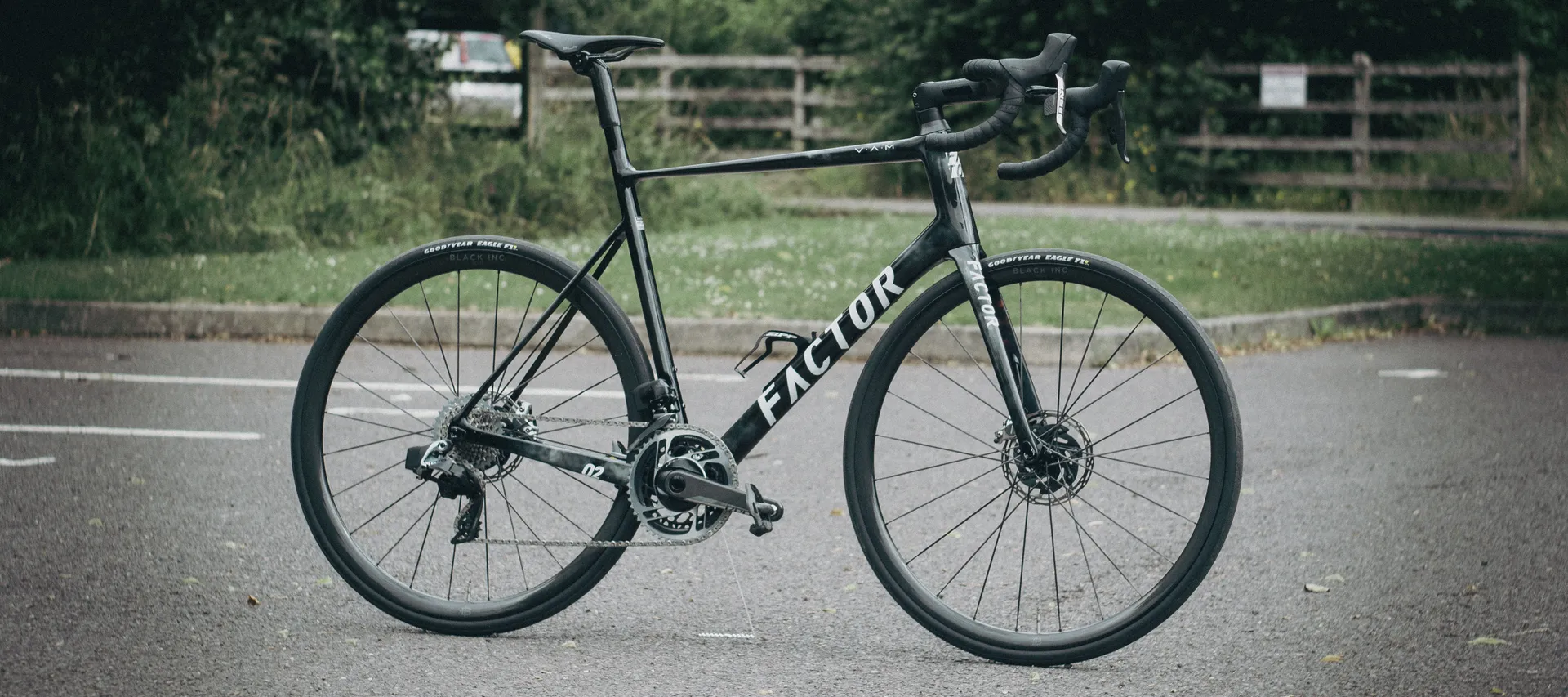
Some bikes get attention because they look wild in a launch photo. This one is different. The Factor O2 VAM has become the kind of bike riders talk about in group chats, shop counters, and late-night forum threads because its numbers hit the old road-cycling nerve: weight. For American riders who follow hill-climb builds, boutique race frames, and premium cycling gear coverage, the current buzz makes sense. This is not a casual fitness purchase. It is the sort of ultralight road bike that makes a rider ask whether a faster-feeling machine might change the way every climb, roller, and county-line sprint feels. Still, a sellout story needs care. The safer read is that demand is tightening around the most wanted sizes, colors, and builds after Weight Weenie chatter pushed the bike into a brighter spotlight. That matters because a high-end road bike is not bought like a helmet. You need fit, dealer support, lead time, and a clear sense of what the bike gives back.
Why the Factor O2 VAM Is Pulling Riders Back Toward Low Weight
The road bike market spent years telling riders to care about aero first. That advice is not wrong. Wind matters on open roads, even when the route has climbs. But weight has a pull that spreadsheet logic cannot erase. When a bike feels eager under you, it changes how you ride before it changes your speed. The O2 VAM sits at that exact emotional point: modern enough to avoid feeling like a fragile scale project, yet light enough to wake up the rider who still notices every bottle cage bolt.
The Weight Weenie crowd noticed the right things
Weight-focused riders can be harsh. They do not cheer every carbon frame with a slim top tube. They ask what the frame weighs with paint, what the wheels weigh as tubeless clinchers, how much adjustability gets lost, and whether the bike still descends with bite. That is why forum attention carries weight in this niche. A glossy launch page can spark interest, but a Weight Weenie discussion can turn interest into inventory pressure.
The official frame figure lands around the 700-gram mark, while Factor lists complete builds that can sit near the UCI racing threshold depending on size and spec. That puts the bike in rare company among disc-brake race machines. The non-obvious part is that this does not make it a pure toy for hill repeats. A light frame that cannot hold a line downhill becomes an expensive dare. The stronger claim is that the bike aims to be a climbing bike with real course speed, not a museum piece.
That distinction explains why riders in Colorado, Northern California, Utah, Vermont, and North Carolina may care more than flatland buyers. On roads where a ride stacks short climbs all day, a lightweight road bike keeps asking you to stand, kick, and float over crests. It can make a two-hour ride feel less like pacing and more like play. That feeling sells bikes.
The sellout angle is about fit, not mass panic
A premium carbon road bike does not need a national warehouse wipeout to feel unavailable. One size missing in a popular color can end the search for a rider who knows their stack and reach. One delayed Dura-Ace build can send buyers toward a different spec. In this price range, “selling out” often means the exact version people want has become hard to get.
That is the key lesson for buyers. You should not panic because a headline says stock is moving. You should act early because top-tier bikes have narrow fit windows. A rider on a 54 with a preferred cockpit length has less room to compromise than someone buying a beach cruiser. If the seat mast setup, barstem choice, and setback option are part of the order, timing matters.
The counterintuitive point: scarcity can hurt the wrong buyer more than the slow buyer. A rider who grabs the nearest size to avoid missing out may spend months fighting saddle height, reach, or hand position. The better move is to confirm geometry, decide between builds, and then move. Speed helps only after fit is settled. For more comparison context, a premium road bike buying guide can help separate want from need before the deposit goes down.
What the Bike Actually Does Differently on the Road
The frame number gets the attention, but road feel makes the sale. A bike can be lighter than a dream and still feel dull if the front end wanders or the bottom bracket area goes soft under load. The O2 VAM tries to avoid that trap with stiff lower-frame sections, shaped tubes, and Black Inc parts built around the same goal. The result is a bike that tells the rider to climb hard, then asks for trust on the way down.
Low weight changes how climbs feel before it changes the clock
The first thing most riders notice on a featherweight build is not a massive speed jump. It is response. Roll into a 9% pitch, shift one cog too hard, and the bike feels less reluctant. Stand for ten pedal strokes and it seems to come with you instead of dragging behind. That sensation matters because climbing is partly mental. A bike that feels alive can make you choose a sharper effort.
On a climb like Mount Lemmon in Arizona or Glendora Mountain Road near Los Angeles, that feeling builds over time. Each acceleration costs less energy at the edge. Each switchback feels more inviting. The stopwatch may show smaller gains than the rider expects, especially if wind or pacing is messy, but the ride can still feel better from the first mile.
The non-obvious insight is that weight helps most when the rhythm keeps changing. On a steady climb at one power number, the physics are clean. On American roads, climbs often surge, flatten, kick up, and bend through traffic or rough pavement. A light climbing bike rewards those changes. It gives you more chances to reset the effort without feeling punished.
Aero details keep it from becoming an old-school hill bike
The old climbing-bike formula was simple: skinny tubes, low grams, lively handling, and a quiet prayer on fast descents. The new formula is harder. Modern riders want speed across the full route, not a bike that shines for one mountain segment and pays rent everywhere else. Factor says the O2 VAM uses aero shaping and sits close to the OSTRO VAM in certain wind-tunnel conditions, while the Black Inc 28//33 wheelset is built for low mass and road speed.
That matters on rolling American terrain. Think of a Saturday route outside Boulder, where a climb turns into exposed false flats before dropping into fast corners. A pure scale bike can feel special uphill and wasteful in the wind. A deeper aero bike can feel fast until the road tilts up and the repeated surges become work. This one tries to split the difference.
The catch is that “split the difference” does not mean perfect for every rider. If your rides are flat, windy, and fast, a dedicated aero road bike may still make more sense. If your roads climb, twist, and punish lazy handling, the O2 VAM has a cleaner argument. It is not only about being an ultralight road bike. It is about avoiding the usual tax that comes with chasing low grams.
The Build Choices That Matter More Than the Headline
A bike at this level is not one product. It is a frame, wheelset, cockpit, drivetrain, saddle setup, tire choice, and fit decision wrapped under one model name. That is where many buyers get distracted. They read the lightest claimed build and assume every version rides the same. It will not. The smart buyer looks at the parts that change daily comfort, future service, and resale confidence.
Wheels and tires can make or ruin the promise
The Black Inc 28//33 wheels are central to the story because they match the bike’s purpose. They are shallow enough to keep weight low and reduce nervous crosswind behavior, yet shaped for modern 28mm tires. That pairing matters more than many riders expect. Put heavy tires and thick tubes on a light frameset and you mute the part of the bike you paid for.
A rider in Pennsylvania riding broken chipseal may prefer a fast 30mm tire set up tubeless over the narrowest race option. A rider in Southern California who climbs smooth canyon roads may chase a sharper tire setup. Neither choice is “correct” in a vacuum. The road decides. The best build is the one that keeps the climbing snap without making every bad surface feel like a warning shot.
Here is the quiet truth: the wheels may shape the bike’s personality as much as the frame. That does not make the frame less special. It means buyers should not treat the wheel upgrade as a trophy line. The wheel and tire setup is where the bike becomes yours.
Fit limits should be checked before the order
The external seat mast and integrated cockpit are part of the reason the bike looks and weighs the way it does. They also reduce the room for casual adjustment. That is not a flaw for a rider who knows their numbers. It is a warning for a rider who changes saddle height twice a season or has never settled on bar width.
Factor lists multiple sizes and seatpost options, and the stack on newer geometry is designed to serve more riders than a slammed pro-only frame. Still, a high-end fit should happen before purchase, not after a box lands at the door. In the U.S., that may mean working with a trusted dealer, a fitter who understands race geometry, or both.
The counterintuitive advice is to spend less energy asking whether the bike is light enough and more energy asking whether it fits calmly. Low mass cannot rescue a strained neck, numb hands, or a saddle position trapped between mast options. For riders comparing this to other elite carbon road bike choices, a race bike fit checklist should come before any color decision.
Who Should Buy It, Wait, or Walk Away
The buzz around a bike like this can make every serious rider feel targeted. That is how premium cycling marketing works. But the O2 VAM is not a universal answer. It serves riders who value climbing feel, fast response, and high-end finish enough to accept the price and fit discipline. It is less convincing for riders who need all-day stack comfort, simple adjustability, or maximum aero speed on flat roads.
The strongest buyer already knows their roads
The best match is the rider whose weekly routes include repeat climbs, rolling attacks, and technical descents. You do not need Alpine passes. You need roads where momentum changes often enough for a light bike to speak. A racer in Asheville, a weekend climber in Marin County, or a Gran Fondo rider training for a mountain event will understand the appeal fast.
The bike also fits the rider who enjoys equipment details without wanting a sketchy custom weight project. There is a difference between a safe, refined production climbing bike and a garage build that saves grams by shrinking every safety margin. That difference matters when the descent has rough pavement and a blind decreasing-radius turn.
The non-obvious point is that the right buyer may not be the lightest rider. Heavier, powerful riders often dismiss ultralight frames because they fear flex. Yet a stiff light frame can feel sharp under high torque if the cockpit, wheels, and tire pressure are right. The purchase should follow riding style, not body type alone.
The wrong buyer will be happier elsewhere
If your rides are mostly flat group rides at 24 mph, start with an aero bike. If you travel often and need easy packing, integrated parts and fit-specific choices may add stress. If you care more about comfort than response, an endurance frame with 32mm or wider tires may give you a better Sunday. That is not settling. It is honesty.
Price is the other filter. Factor’s own listed builds sit in the premium tier, with frameset packages and full builds priced for riders who already know what they want. A buyer who has to stretch too far may feel pressure to protect the bike instead of riding it hard. That kills the point.
The smartest alternative may be patience. Wait for a demo day. Talk to a dealer about timing. Compare it against the OSTRO VAM, Specialized Tarmac, Cervélo R5, or an Aethos-style build depending on your roads. A Weight Weenie headline can start the search, but it should not finish it. The best bike is still the one you ride without making excuses.
Conclusion
The sudden attention around this bike says something bigger about road cycling in America. Riders may talk aero, data, and tire pressure all day, but the magic of a bike that feels light under the hands has not gone away. That is why the Factor O2 VAM has become more than another premium launch story. It sits in the space between numbers and nerve, where a climb starts to feel possible before your legs have proven it. The smart move is not to chase the first available frame because the internet got loud. Confirm your fit, choose the build for your roads, and respect the cost of getting it wrong. If the right size and spec are available, move with purpose. If not, wait. A great climbing bike should make you feel freer, not rushed.
Frequently Asked Questions
How much does the Factor bike weigh in common builds?
Official figures vary by frame size and build, but Factor lists the O2 VAM as a race-light platform with complete builds near the pro minimum in certain specs. Your final weight depends on drivetrain, wheels, tires, pedals, cages, sealant, computer mount, and saddle choice.
Is an ultralight road bike worth it for American riders?
It is worth it when your routes include climbs, rollers, and frequent pace changes. On flat windy roads, an aero bike may feel faster. The best value comes when low weight matches your terrain, not when it only looks good on a scale.
What does Weight Weenie mean in cycling?
It describes riders who care deeply about bike weight and component grams. The term can be playful or serious. These riders often compare frames, wheels, bolts, tires, and drivetrains in detail, which is why their attention can influence high-end bike demand.
Should I buy a climbing bike or an aero bike?
Choose a climbing bike if your rides rise and fall often, include steep grades, or reward quick accelerations. Choose an aero bike if your main efforts are fast, flat, and exposed to wind. Many modern bikes blend both, but each still has a bias.
Does a lighter bike make you faster uphill?
Yes, but the size of the gain depends on gradient, rider weight, total system weight, pacing, and wind. The bigger everyday benefit may be feel. A lighter bike often responds faster when you stand, surge, or restart speed after a corner.
Is the O2 VAM good for long rides?
It can be, provided the fit is correct and the tire setup matches your roads. The frame is race-focused, so comfort will not feel like an endurance bike. Wider measured tires, proper pressure, and a sensible cockpit setup can make a major difference.
Why do pro bikes have a minimum weight rule?
The UCI rules include a minimum bicycle weight for sanctioned racing, commonly cited as 6.8 kg. The rule was tied to equipment safety, though many riders and engineers now debate whether it still fits modern materials and smaller frame sizes.
What should I check before ordering a high-end Factor bike?
Confirm stack, reach, saddle height range, seatpost setback, handlebar width, stem length, tire clearance, service access, warranty terms, and dealer support. At this price, fit accuracy matters more than chasing the lightest posted build.