
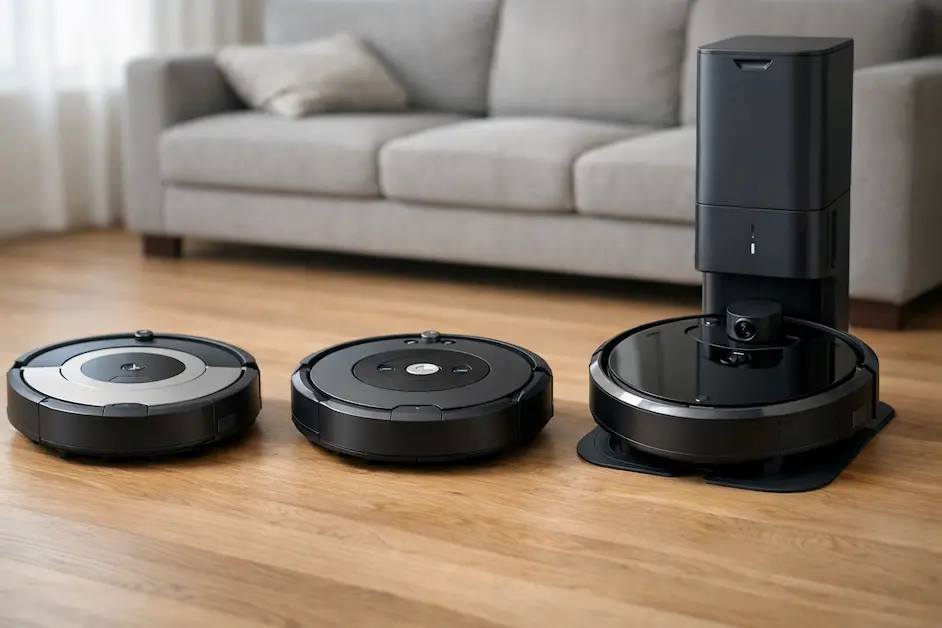
A sale only matters when it changes who should pay attention. That is why the Roomba Combo i5 Plus is getting a second look from U.S. shoppers who skipped robot cleaners when the price felt too high for a helper that still needed babysitting. The point is not a magic floor-cleaning fantasy. It is simpler: vacuuming, light mopping, room-by-room runs, and a dock that handles the dustbin for weeks at a time. For a family in Phoenix with tile through the kitchen, a renter in Chicago with pet hair near the sofa, or a homeowner in North Carolina fighting tracked-in grit, that mix can save small pockets of time every week. Readers comparing deals through smart home product updates are not hunting for hype. They want to know whether this robot vacuum mop is now priced low enough to make sense, where it falls short, and how to buy it without mistaking a sale tag for true value.
Why the Roomba Combo i5 Plus Price Drop Matters for Everyday Homes
The best home tech deal is not always the one with the deepest slash through the sticker. It is the deal that moves a product from “nice someday” into “this solves a nagging problem now.” That is the shift happening here. A self-emptying Roomba with mop support used to sit in the mental bucket of premium cleaning gear. At a lower price, it starts competing with upright vacuums, stick vacuums, and weekend cleaning routines.
That is a bigger change than it looks. Most people do not hate cleaning because one pass takes an hour. They hate the repeat mess. Crumbs under the island. Pet hair near the hallway. Dust bunnies that appear two days after a full clean. A robot does not replace deep cleaning, but it can attack the boring middle.
The dock is the part buyers tend to undervalue
The Clean Base is not a glamorous feature, which is why people miss its value. A standard robot can clean your floors, then ask you to empty a small bin after a few runs. That sounds minor until the habit breaks. One missed emptying turns into weaker pickup, a full-bin warning, and a robot parked in the corner like another chore.
A self-emptying Roomba changes the rhythm. The i5 Plus dock can hold weeks of debris before you deal with the bag. In a real home, that matters more than a spec sheet. A parent in a Dallas suburb can schedule weekday kitchen cleanups after breakfast and not think about the dust cup each time.
The counterintuitive part is that convenience can improve cleaning results. Not because the suction changes. Because the machine runs more often. A robot that needs less handling is a robot people leave on schedule instead of giving up on after month two.
A mid-range robot can make more sense than a flagship
The i5 Plus is not the fanciest robot in the aisle. That may be its strength. Flagship models often add advanced object detection, fancier mop hardware, or more aggressive navigation. Those features can help in chaotic rooms, but they also push the price into a zone where buyers expect near-magic.
A mid-range robot has a clearer job. It should keep visible debris under control, handle routine hard-floor touchups, and reduce how often you drag out the full-size vacuum. That is a fair ask. It is also easier to judge.
For many American homes, the best match is not the top model. It is the model you can run daily without feeling foolish about the cost. A self-emptying Roomba at a sharper price lands in that lane. It makes less sense for a house full of cords, toys, and thick rugs. It makes more sense for predictable messes in predictable rooms.
What the 2-in-1 Design Actually Solves
The appeal of a robot vacuum mop is easy to oversell. Wet mopping from a compact robot will not scrub dried sauce from textured tile or rescue a muddy entryway after a storm. That is not the job. The job is maintenance. Think shoe prints, light dust, fine crumbs, and the dull film that appears on hard floors between proper cleans.
The i5 Plus design uses a bin swap to change modes. With the vacuum bin installed, it works as a floor vacuum. With the combo bin attached, it can vacuum and mop hard floors in one run. That sounds less fancy than a robot with a lifting mop arm, but it gives the owner a clear choice before cleaning starts.
The bin swap keeps the routine honest
Some combo robots try to do everything at once. That can work, but it can also create a false sense of safety around rugs. The i5 Plus asks you to think for a moment: vacuum only, or vacuum and mop? That pause can prevent a bad setup.
If your living room has a large rug and your kitchen has laminate, you can schedule vacuum runs most days and save mop runs for the hard-floor zones. It is not a hands-off dream, but it is practical. Homes are messy in patterns. A good cleaning plan follows those patterns instead of pretending every room needs the same treatment.
This is where a robot vacuum buying guide can help buyers slow down before checkout. The right question is not “Does it mop?” The better question is “Will its mop style fit my floors, rugs, and habits?”
Smart mapping helps most when messes repeat
A smart mapping vacuum earns its place after it learns the house. Room-based cleaning is useful because messes are rarely spread evenly. The kitchen gets crumbs. The mudroom gets grit. The bedroom gets hair and fabric dust. Running the whole home every time wastes battery and patience.
With room mapping, you can send the machine to the rooms that need attention. That is where the i5 Plus feels less like a gadget and more like a small appliance. A quick kitchen run after dinner is easier to accept than a long whole-home cycle roaring through rooms that are already clean.
The non-obvious win is mental. When cleaning feels smaller, you do it sooner. A smart mapping vacuum turns floor care from a weekend project into a set of small resets. That is the kind of change people stick with.
Where It Fits in U.S. Apartments, Houses, and Pet Homes
A sale price can tempt anyone, but this machine is not for every floor plan. The i5 Plus fits best in homes with clear traffic paths, mixed hard floors and low-to-medium carpet, and owners who want routine pickup more than deep-clean heroics. That covers plenty of American households, from Sun Belt tile-heavy homes to Northeast apartments with area rugs.
The mistake is buying it as a replacement for every other cleaner. Keep the stick vacuum. Keep the mop. This machine should reduce how often you reach for them. That is the cleaner promise, and it is the one worth paying for.
Layout matters more than square footage
A 900-square-foot apartment with open floors can be easier for a robot than a 1,500-square-foot house packed with chair legs, cords, toys, and uneven thresholds. Square footage gets too much attention. Obstacles decide the experience.
A renter in Denver with vinyl plank flooring, a sofa, two rugs, and a tidy kitchen may get strong value from daily scheduled runs. A larger home with sunken rooms and cluttered kids’ spaces may need more prep before each run. Prep kills the magic fast.
This is the small truth many deal roundups skip: the robot is only as independent as your floor allows. If you already keep charging cables off the ground and shoes near the door, you are a better candidate than someone with a larger but messier home.
Pet hair changes the buying math
Pet owners often see the clearest payoff from a self-emptying Roomba. Hair does not arrive once a week. It arrives all day. It collects near baseboards, under dining chairs, and around the couch like it has a schedule of its own.
The i5 Plus uses dual multi-surface rubber brushes, which are useful for pet households because rubber brush designs tend to resist tangled hair better than old bristle styles. You will still need to check the rollers. Long hair and pet fur always find a way. Still, a robot that runs often can keep the visible layer from building into a weekend mess.
There is an indoor-air angle too, though buyers should stay grounded. Regular floor cleaning can reduce dust reservoirs, but a vacuum is not an air purifier. The U.S. EPA notes that indoor particulate matter can come from sources such as cleaning products, smoke, pollen, mold, and other household activity, so floor care should be one part of a broader home routine: EPA indoor particulate matter guidance.
How to Buy the Roomba Mop Vacuum Deal Without Regret
A low sale price can make people hurry, and hurry is where bad buys happen. Before clicking, check the exact bundle name, dock, included bins, return window, bag cost, and retailer policy. The i5 Plus name matters because the “Plus” version points to the self-emptying dock. A similar-looking non-Plus model may cost less because it leaves out the feature that makes the deal feel useful.
This is also the moment to compare the i5 Plus against newer entry models and older premium models. Robot vacuum prices move fast during U.S. sale periods. A record-looking tag on one day can sit near another strong deal on a different model the next day.
Confirm the bundle before chasing the lowest number
Retail pages can look alike at a glance. One listing may include the Clean Base. Another may show a robot-only package. One may include an extra filter, mop pad, or dirt disposal bags. Another may not. The cheaper box is not always the better buy.
Look for the pieces that affect daily life. Clean Base included. Combo bin included. Compatible bags available. Clear warranty language. A return window long enough to test mapping, docking, and mop behavior in your own home.
A Roomba mop vacuum deal is only strong if the bundle matches the way you plan to use it. If you want hands-off dustbin emptying, do not buy the robot-only version by mistake. If you mostly have carpet, do not overpay for mop features you will rarely use.
Count upkeep as part of the price
Robot vacuums have small running costs. Bags, filters, brushes, mop pads, and cleaning solution can add up across the year. None of that ruins the deal. It does mean the checkout price is not the whole story.
For a pet home, rollers and filters may need closer attention. For a hard-floor home, mop pads matter more. For a busy family, bags may be the cost of keeping the dock useful. These are not surprise expenses if you plan for them.
This is also where comparing with best smart home cleaning tools can prevent tunnel vision. A robot may be the right buy. Or a better stick vacuum may solve your problem for less. The smart move is matching the tool to the mess, not buying the discount with the loudest label.
Conclusion
The appeal of this deal is not that one robot suddenly turns cleaning into a solved problem. Floors still need judgment. Rugs still need care. Sticky spills still need your hands. The value is in reducing the dull repeat work that eats time without feeling like a major chore. That is why the Roomba Combo i5 Plus makes sense when the price drops far enough: it brings self-emptying, room-based cleaning, and light mopping into a range where more households can defend the purchase. It is best for people with steady floor mess, clear paths, and realistic expectations. It is weaker for cluttered rooms, heavy stain cleanup, and buyers who want premium obstacle avoidance. Treat the sale as an opening, not a command. Check the bundle, compare the upkeep, and decide whether this robot will run often in your home. If the answer is yes, this is the kind of discount worth acting on before the floor gets another week ahead of you.
Frequently Asked Questions
How much should I pay for this Roomba deal?
A strong sale should put the self-emptying bundle far below its usual premium range. Check at least two major retailers before buying, because robot vacuum pricing changes fast during U.S. sale events. The best price is the one that includes the dock and needed accessories.
Is the i5 Plus worth it for pet hair?
Yes, if pet hair is a daily mess rather than an occasional cleanup. Scheduled runs can keep fur from building up around sofas, hallways, and dining chairs. You will still need to clean rollers and filters, especially with long-haired pets.
Does this model replace a regular mop?
No. It handles light floor maintenance, not deep scrubbing. It can help with dust, footprints, and small surface grime on hard floors. Keep a regular mop for sticky spills, textured tile, dried food, and seasonal mess near entry doors.
What is the difference between the Plus and non-Plus version?
The Plus version includes the self-emptying dock. That dock is the feature many buyers notice most over time because it reduces dustbin handling. The non-Plus model may cost less, but it asks for more frequent manual emptying.
Is this a good robot for apartments?
Yes, apartments can be a strong fit if floors stay fairly clear. Smaller spaces often benefit from room-based runs and scheduled cleaning. Watch for cords, rug edges, tight chair legs, and thresholds that may interrupt the route.
Can it vacuum carpet and mop hard floors?
It can vacuum carpet and hard floors, then mop hard floors when the combo bin is installed. The key is setup. Remove rugs or choose cleaning areas with care before wet runs so the mop function stays where it belongs.
How often should I run a self-emptying Roomba?
Most homes do well with three to five runs per week in busy areas. Pet homes or homes with kids may benefit from daily kitchen, hallway, or living room cleaning. Start small, then adjust after seeing where debris returns fastest.
What should I check before buying the deal?
Check that the listing includes the Clean Base, combo bin, mop pad, bags, warranty terms, and a fair return window. Also review replacement bag and filter costs. A low sticker price means less if the bundle leaves out the parts you need.