Modern dentistry depends on more than clinical expertise. Behind every successful crown, bridge, veneer, or implant is a dental restoration laboratory that helps turn treatment plans into long-lasting, natural-looking restorations. As dental technology continues to advance, laboratories play an increasingly important role in supporting precision, consistency, and patient satisfaction.
For dental practices, choosing the right laboratory is about more than outsourcing production. It is about building a reliable partnership that contributes to predictable clinical outcomes, efficient workflows, and high-quality restorative solutions. Dentek Digital is one example of a laboratory that supports dental professionals with advanced restorative solutions and digital workflows. Understanding what today’s laboratories offer helps practices make informed decisions that benefit both providers and patients.
What Is a Dental Restoration Laboratory?
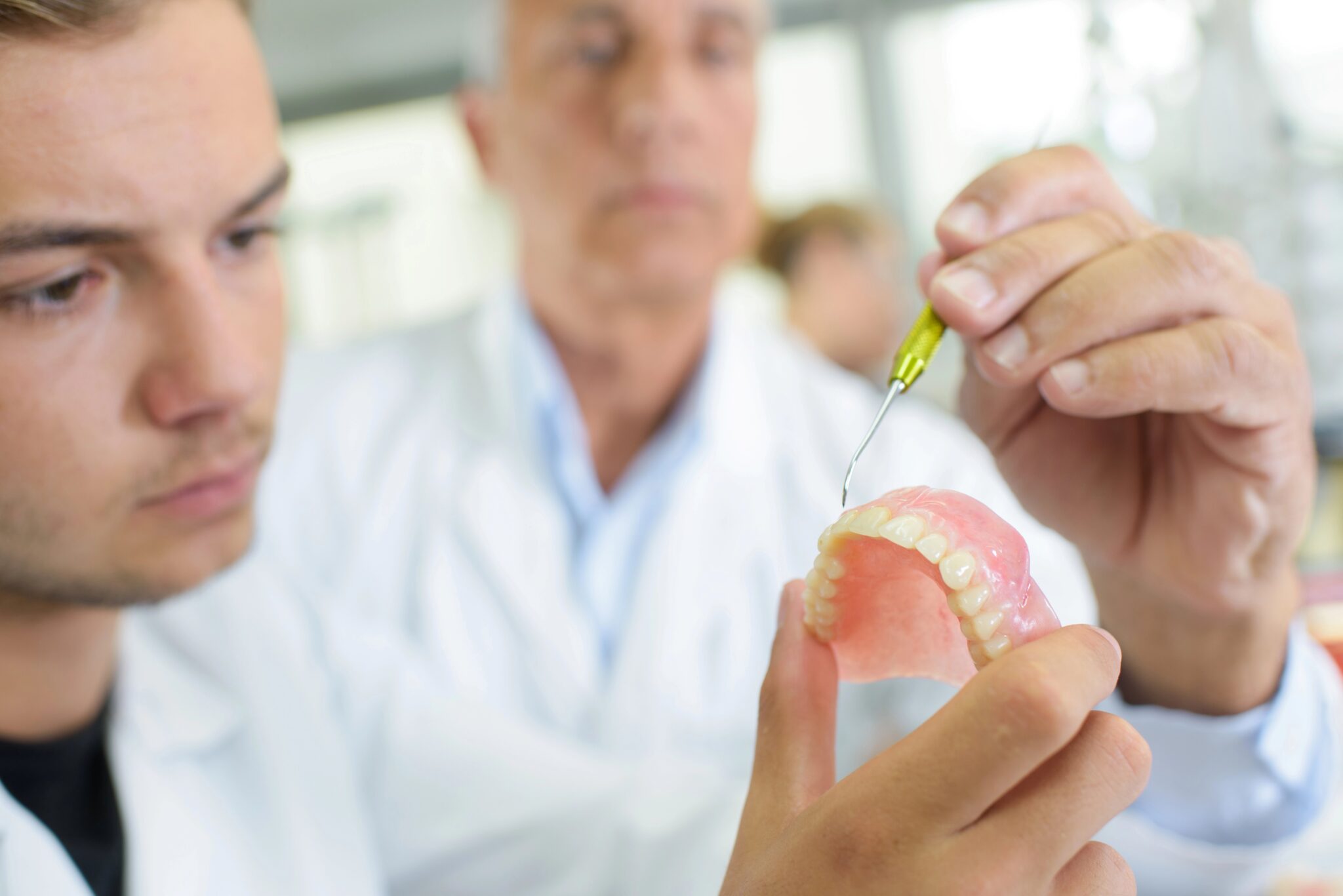
A dental restoration laboratory creates custom dental restorations based on prescriptions and impressions provided by dentists. Skilled dental technicians combine craftsmanship with advanced manufacturing techniques to produce restorations that match each patient’s anatomy, bite, and aesthetic goals.
Common restorations produced by a laboratory include:
- Dental crowns
- Bridges
- Veneers
- Implant restorations
- Dentures
- Partial dentures
- Inlays and onlays
- Full-mouth rehabilitation cases
Modern laboratories often integrate digital workflows alongside traditional craftsmanship, allowing for greater precision while maintaining personalized attention to every case.
Why Laboratory Quality Matters
Restorative dentistry requires accuracy at every stage. Even small inconsistencies can affect comfort, function, and longevity. A dependable laboratory helps reduce these challenges by producing restorations that meet clinical expectations.
High-quality laboratory work contributes to:
- Better restoration fit
- Improved bite alignment
- Natural appearance
- Greater patient comfort
- Reduced chairside adjustments
- Consistent treatment outcomes
When restorations fit correctly the first time, both dental professionals and patients benefit from a smoother treatment experience.
How Digital Technology Has Changed the Dental Restoration Laboratory
Digital dentistry has significantly improved collaboration between dental offices and laboratories. Instead of relying solely on traditional impressions, many practices now use intraoral scanners that capture highly accurate digital models.
Digital workflows often include:
- Digital impressions
- CAD (Computer-Aided Design)
- CAM (Computer-Aided Manufacturing)
- 3D printing
- Digital smile design
- Virtual case planning
These technologies help reduce errors caused by impression distortion while improving communication throughout the restoration process.
Digital files can also be transferred quickly, allowing laboratories to begin fabrication sooner and helping practices reduce turnaround times.
Key Characteristics of a Reliable Dental Restoration Laboratory
Not all laboratories provide the same level of service. Practices should evaluate several important factors before selecting a laboratory partner.
Experienced Technical Team
Dental technicians require extensive training and practical experience to fabricate restorations that balance function with aesthetics. An experienced team understands complex restorative cases and works closely with dentists when adjustments are needed.
Advanced Materials
Today’s restorations may be fabricated from various materials depending on clinical needs, including:
- Zirconia
- Lithium disilicate
- Porcelain
- Metal alloys
- Hybrid ceramics
- Acrylic materials
A quality laboratory understands the strengths and limitations of each material and recommends appropriate options for different treatment situations.
Consistent Communication
Clear communication between dentists and laboratory technicians improves case outcomes.
Effective collaboration includes:
- Detailed case prescriptions
- Digital image sharing
- Shade matching guidance
- Treatment planning discussions
- Prompt responses to questions
Strong communication minimizes misunderstandings and supports more predictable restorative results.
Quality Control Processes
Reliable laboratories implement quality assurance measures throughout production.
These may include:
- Multiple inspection checkpoints
- Fit verification
- Material verification
- Digital design review
- Final aesthetic inspection
Quality control helps ensure restorations meet both clinical and cosmetic expectations before delivery.
The Role of Precision in Restorative Dentistry
Restorations must function naturally within the patient’s mouth. Proper occlusion, margins, contacts, and aesthetics all contribute to long-term success.
Precision affects:
- Chewing efficiency
- Speech
- Patient comfort
- Gum health
- Restoration longevity
Modern manufacturing technologies help laboratories achieve remarkable consistency while allowing technicians to customize each restoration based on individual patient needs.
Benefits of Digital Collaboration Between Dentists and Laboratories
Communication has become much more efficient through digital case management.
Some advantages include:
- Faster file transfers
- Reduced shipping delays
- Improved case documentation
- Easier design modifications
- Better treatment planning
- More predictable restoration outcomes
Many laboratories also provide online portals that allow dentists to monitor case progress, upload images, and communicate directly with technicians.
Material Selection Plays an Important Role
Every patient presents different functional and cosmetic requirements. Material selection should consider several factors, including:
- Tooth location
- Bite force
- Esthetic expectations
- Durability requirements
- Budget considerations
For example, posterior restorations often prioritize strength, while anterior restorations emphasize natural translucency and appearance.
An experienced laboratory helps guide material choices that align with both clinical goals and patient expectations.
Supporting Implant Restorations
Dental implants require exceptional precision. Small discrepancies may affect implant fit, function, or long-term performance.
Laboratories producing implant restorations often work with:
- Custom abutments
- Implant-supported crowns
- Multi-unit restorations
- Full-arch prosthetics
- Hybrid implant restorations
Digital planning tools allow technicians and dentists to coordinate implant restorations with greater accuracy throughout the treatment process.
Why Turnaround Time Matters
Patients appreciate timely treatment completion, but speed should never compromise quality.
An efficient laboratory balances production timelines with careful craftsmanship by using:
- Organized digital workflows
- Streamlined production systems
- Automated manufacturing technologies
- Experienced technicians
- Structured quality assurance procedures
Reliable turnaround schedules also help dental practices improve appointment planning and patient communication.
Building Long-Term Laboratory Partnerships
The strongest relationships between dentists and laboratories develop over time. As technicians become familiar with a dentist’s preferences, communication often becomes more efficient and restoration consistency improves.
Long-term partnerships can provide:
- Better understanding of clinical preferences
- Consistent restoration quality
- Simplified case planning
- Faster issue resolution
- Greater workflow efficiency
Rather than viewing laboratories as vendors, many successful practices consider them valuable clinical partners.
Questions to Ask Before Choosing a Laboratory
Selecting the right laboratory requires careful evaluation.
Consider asking:
- What restorative services do you provide?
- Which digital systems are compatible with your workflow?
- What materials do you offer?
- What quality control procedures are in place?
- How are complex cases managed?
- What is the typical turnaround time?
- How do you handle remakes or adjustments?
- Is technical support available when needed?
These questions help practices determine whether a laboratory aligns with their clinical needs and long-term goals.
Trends Shaping the Future of Dental Restoration Laboratories
Restorative dentistry continues to evolve rapidly. Laboratories are adopting new technologies that improve efficiency while maintaining exceptional craftsmanship.
Emerging developments include:
- Artificial intelligence-assisted design
- Improved CAD/CAM software
- Advanced zirconia materials
- High-resolution 3D printing
- Enhanced digital shade matching
- Cloud-based case collaboration
- Automated production workflows
Although technology continues to advance, experienced technicians remain essential for evaluating aesthetics, function, and individualized patient needs.
How Patients Benefit from Laboratory Excellence
Patients may never meet the technicians who fabricate their restorations, yet laboratory quality directly influences their treatment experience.
Benefits include:
- Comfortable restorations
- Natural-looking smiles
- Better chewing ability
- Improved confidence
- Fewer adjustment appointments
- Durable long-term results
When dentists and laboratories work together effectively, patients receive restorations that support both oral health and overall satisfaction.
Final Thoughts
A trusted dental restoration laboratory is an essential partner in modern restorative dentistry. By combining experienced technicians, advanced digital technology, high-quality materials, and consistent communication, laboratories help dental practices deliver restorations that fit accurately, function reliably, and look natural.
As restorative techniques continue to evolve, partnering with a knowledgeable laboratory supports predictable clinical outcomes, improved patient experiences, and long-term treatment success. Practices seeking dependable restorative solutions can learn more about the services and expertise available through Dentek Digital by visiting their website.