
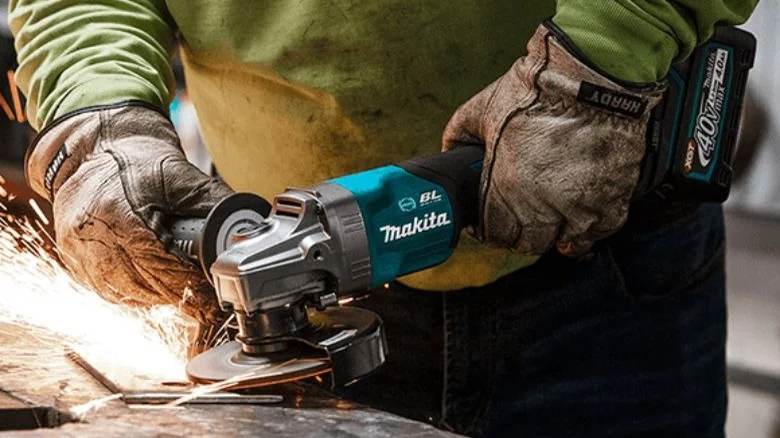
A jobsite saw earns trust in a rough way: it either keeps the cut moving, or it gets blamed before lunch. That is why the cordless circular saw has become a serious search topic for American contractors, remodelers, deck builders, and tool buyers who need battery freedom without soft performance. Makita’s 40V XGT line sits in that noisy middle ground between old corded confidence and the cleaner workflow pros now expect. The appeal is not only speed. It is the promise of fewer extension cords, stronger site mobility, and a tool system that feels ready for framing, sheet goods, punch work, and fast service calls. A buyer reading professional tool buying advice is not hunting for hype. You want to know whether the Makita XGT saw makes sense when the truck already carries chargers, blades, batteries, and two backup tools. The answer depends on what you cut, how long you cut, and whether the tool saves more time than it costs.
Why the Cordless Circular Saw Search Keeps Pointing Toward XGT
Search interest often follows pain. A contractor does not wake up excited to compare motors and battery rails. You search because something slowed you down: a tripped breaker, a dull blade, a cord snagged under OSB, or a sidewinder that bogged in wet lumber. The 40V pro saw category speaks to that annoyance. It tells the buyer, “You can leave the cord in the trailer more often.”
Power expectations changed on American jobsites
For years, the safe answer was simple. Serious saw work meant a cord. Battery models were fine for trim, quick plywood rips, or one-off cuts at the far end of a property, but framers still trusted amperage over convenience.
That thinking has shifted because modern battery platforms are no longer built only for light punch-list work. Makita’s XGT platform was made for higher-draw tools, and that matters. A saw is not like a flashlight or compact drill. It asks for a hard burst of power each time the blade hits dense stock.
Here is the practical example. A remodel crew cutting subfloor inside an older Ohio house may not have clean power in every room. Running a cord through dust, stair openings, and temporary plastic sheeting wastes minutes and creates snags. A Makita XGT saw can move room to room with the carpenter instead of forcing the carpenter to build the day around outlets.
The hidden value is fewer small delays
The obvious sales pitch is power. The less obvious win is flow. A rear handle saw that starts cleanly, tracks predictably, and does not need cord management can remove small breaks from the workday. Those breaks look harmless until they stack.
One minute untangling a cord. Two minutes finding another outlet. Another pause while someone moves a generator. None of that appears on a tool spec sheet, yet it changes how a job feels. Fast work often comes from fewer interruptions, not from wild speed.
That is the counterintuitive part. The best 40V pro saw is not always the one that screams through a board fastest in a test cut. It is the one that keeps you from stopping. A steady cut, enough battery planning, and a clean line can beat a louder tool that makes the crew babysit it.
How Makita Built Appeal Around Control, Not Only Muscle
Once a saw has enough strength, control becomes the feature pros notice. You feel it in the handle angle, the shoe, the balance, the brake, and the way the blade behaves when the material pinches. Makita has long had a loyal trade following because its tools tend to feel measured rather than flashy. That is useful in saw work, where overconfidence can ruin material or hurt someone.
Rear handle balance suits framing habits
A rear handle saw changes the stance of the cut. Many American framers like that pull-forward feel because it resembles the old worm-drive rhythm used on decks, roof framing, and long rips. The weight sits differently. The sightline feels different. The cut feels less like pushing a compact tool and more like guiding a longer body through the board.
That matters when cutting 2x material all morning. A sidewinder can feel quicker for small cuts, but a rear handle saw often feels calmer when the blade is deep in lumber. The tool asks the user to guide it, not fight it.
A Texas deck builder cutting pressure-treated 2x10s in summer heat will care less about brochure language and more about whether the saw tracks without drama. If the rear handle saw keeps the wrist in a strong position and the shoe stays planted, the work feels cleaner by the tenth cut.
Blade choice still beats brand loyalty
The non-obvious truth is that many “weak saw” complaints start with the wrong blade. A premium battery saw with a tired framing blade will feel worse than a cheaper corded unit with sharp teeth. Heat, pitch buildup, tooth count, and kerf all matter.
For framing, a thin-kerf blade can help battery runtime and reduce strain. For finish plywood, tooth count matters more than raw feed speed. For fiber cement or engineered boards, the wrong blade can punish the motor, the battery, and the cut edge at once.
That is why buyers comparing a Makita XGT saw should price the setup, not only the bare tool. Battery, charger, blade, dust needs, and storage all shape the result. A smart buyer may get better performance by buying one fewer accessory and spending more on the blade that matches the work.
What Pros Should Compare Before Buying Into 40V
A strong tool platform can still be a poor fit. That sounds harsh, but it saves money. The smartest buyer starts with the work pattern, then chooses the saw. Weekend fence repair, production framing, cabinet scribing, roof sheathing, and remodel demo do not ask for the same setup.
Battery platform math can change the decision
The first question is not “Is the saw good?” The first question is “What batteries are already in the truck?” If a contractor owns several Makita XGT batteries, the purchase feels easier. If the crew runs another battery system, the saw must earn the added charger, packs, and shelf space.
Battery platforms create quiet lock-in. A bare tool price can look fair until you add two packs and a rapid charger. That does not make the purchase wrong. It means the saw should solve a daily problem, not a rare one.
A small remodeling company in Pennsylvania might choose XGT for saws, grinders, and outdoor power tools because higher-draw tools benefit from the system. A homeowner who cuts shelving twice a year may be better served by a lighter 18V model and a good blade. Both choices can be right.
For broader tool planning, keep a simple page like battery platform buying guide near your internal links. Readers often need that next step after they compare one saw.
Weight is not always the enemy
Most buyers assume lighter is better. For overhead work or quick trim cuts, yes. But for long rips and framing cuts, a bit of weight can help the saw stay settled. The problem is not weight alone. The problem is bad balance.
A heavier rear handle saw can feel stable when cutting sheets on sawhorses. It may also feel tiring if you carry it across a large jobsite all day. That tradeoff is personal. A five-minute store hold test tells you almost nothing. A morning of cuts tells the truth.
The 40V pro saw buyer should think about the whole motion. Pick up, set down, line up, cut, carry, repeat. If the tool feels planted during the cut but awkward between cuts, plan storage and staging better. A cart, hook, or dedicated saw station can reduce fatigue more than shaving a small amount of tool weight.
Safety, Dust, and Workflow Decide Long-Term Satisfaction
A saw purchase does not end at the first clean cut. Long-term satisfaction comes from the boring details: guards that move freely, batteries that rotate predictably, blades that stay sharp, and a workflow that keeps dust and offcuts under control. The more powerful the tool, the less room there is for sloppy habits.
Guard behavior deserves more attention
Safety features are easy to ignore until they interrupt the cut. Then some users blame the tool. That is the wrong instinct. A lower guard that hangs up may need cleaning, inspection, or better technique. It should not be wedged open. OSHA’s portable power tool guarding rule makes the point plain: portable powered saws above a small blade size need upper and lower guarding.
On a busy jobsite, sawdust, resin, and small chips can make a guard feel sticky. That is not a reason to defeat it. It is a reason to stop, remove the battery, and clean the area before the next cut.
The counterintuitive point is that safety can also improve speed. A saw with a smooth guard, a sharp blade, and a clear cut plan creates fewer awkward starts. Fewer awkward starts mean fewer damaged boards, fewer near misses, and less time spent correcting rough work.
Dust control affects more than cleanup
Dust control is not only about a clean floor. It affects sightlines, lungs, client perception, and tool life. Remodelers cutting indoors know this well. A kitchen update in a lived-in house can turn ugly fast if the saw sprays dust near finished floors or open cabinets.
Some Makita XGT saw models support dust extraction features, depending on configuration and accessory setup. That matters most for indoor work, finish carpentry, and occupied homes. A framing crew outside may care less, but a remodeler working near a nursery, pantry, or HVAC return should care a lot.
Workflow also includes where the saw lives between cuts. Tossing a premium tool into a pile of offcuts is how shoes get nicked, blades get damaged, and batteries get cracked. A small jobsite habit, such as setting a dedicated cut area, can protect the purchase. For readers building that system, jobsite tool storage tips is a natural next resource.
Conclusion
The rise of Makita’s XGT saw lineup says something about where pro tool buying is headed. American contractors want fewer cords, but they do not want soft tools. They want battery freedom that still feels ready for framing lumber, sheet goods, and long days where small delays eat profit. The cordless circular saw earns attention because it sits at the center of that shift.
Still, the smartest purchase is not the one with the loudest claims. It is the one that fits your work rhythm. A Makita XGT saw makes the most sense when you already value the battery platform, cut often enough to benefit from saved setup time, and care about control as much as output.
Buy the saw as part of a system: blade, battery, charger, dust plan, safety habits, and storage. That is where the tool starts paying back. Choose for the day you actually work, not the demo cut you saw online.
Frequently Asked Questions
Is a Makita XGT saw worth it for contractors?
Yes, it can be worth it for contractors who cut often and already use Makita’s 40V platform. The main value is mobility without giving up the strong feel pros expect. For rare cuts, a lower-cost model may make more sense.
What size Makita XGT saw should I buy?
Choose based on material. A 7-1/4-inch model suits framing, decking, and common jobsite cuts. Larger models fit deeper cuts, beams, and specialty work. Bigger tools can add weight, so match the blade size to your daily tasks.
Does a 40V pro saw replace a corded saw?
For many jobsite tasks, yes. It can replace a corded unit when batteries are charged and the blade is matched to the material. Long production cutting may still require backup packs or a corded option nearby.
Why do pros like a rear handle saw?
The longer body gives many users better control during framing cuts and long rips. It feels planted, especially in thicker lumber. Some users prefer a sidewinder for smaller cuts, so handle style comes down to habit and task.
How long does a Makita 40V battery last in saw work?
Runtime depends on battery size, blade type, lumber density, and feed pressure. Thin-kerf sharp blades help. Wet treated lumber drains packs faster than dry pine or sheet goods, so pro crews should rotate multiple batteries.
Is XGT better than Makita LXT for saws?
XGT is built for higher-demand tools, while LXT remains strong for many common tasks. XGT makes more sense for users who need stronger output from saws, grinders, and outdoor tools. LXT may be enough for lighter work.
What blade should I use with a Makita XGT saw?
Use a sharp blade matched to the material. Framing needs a different tooth count than finish plywood. Thin-kerf blades often help battery tools cut with less strain, while specialty materials may need purpose-built blades.
What safety checks matter before using a battery saw?
Remove the battery before blade changes, check the guard, inspect the blade, set cut depth, and clear the work area. Wear eye and hearing protection. A powerful battery saw deserves the same respect as a corded jobsite tool.